
Your First Float: A Beginner’s Guide to Sensory Deprivation & Deep Rest
Feb 27, 2023
Choose products that are environmentally friendly, ethically produced, and have a long lifespan
Floating is a simple practice: you lie effortlessly in warm, mineral-rich water and allow your body to let go. But the experience can be surprisingly profound, especially the first time. This guide walks you through what the session looks like, how sensory deprivation works, and how to prepare so you can settle in comfortably.
How Sensory Deprivation Works
A float tank is filled with water saturated with Epsom salt, heated to match the temperature of your skin. The water becomes so dense that your body becomes weightless. The environment is quiet, still, and free of strong external stimulation — no pressure on your joints, no noise, no bright light, and no need to hold yourself up.
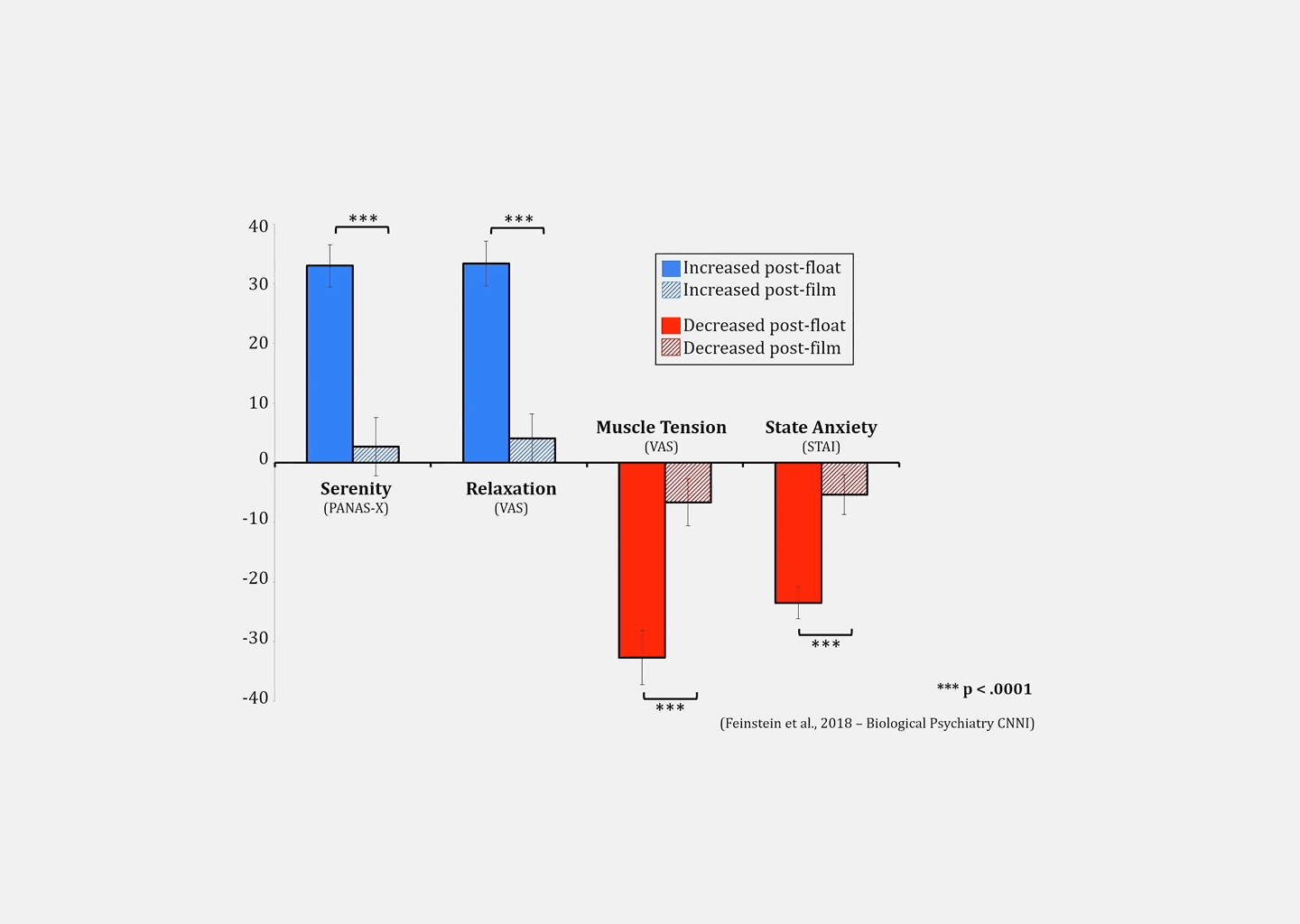
This combination allows the nervous system to downshift into deep rest. Many people describe:
a noticeable release of muscular tension
reduced stress and mental overstimulation
clearer thinking after the session
improved sleep
a calm, grounded feeling that lasts hours or even days
Nothing is forced — the environment simply removes what usually keeps the body “switched on.”
What Happens During Your First Session
Most first-time floaters want to know exactly what to expect. Here’s the structure of a typical visit:
1. Arrival & Orientation
You’ll be shown the room, the tank, and how everything works: lighting options, the call system, session timing, and how to enter and exit the tank.
2. Pre-Float Shower
A quick rinse helps keep the water clean and prepares your skin for the session.
3. Entering the Tank
You step inside, sit down, and lean back. The salt immediately lifts you. There’s no effort involved — even non-swimmers feel completely safe.
4. The First Few Minutes
Your body adjusts to the absence of gravity-like pressure. Breathing slows. Shoulders soften. Many people notice they didn’t realize how much tension they were holding.
5. During the Float
Your mind might stay active at first. This is normal. As your body relaxes, your attention often drifts into a slower, quieter rhythm. Some people experience meditative stillness; others simply enjoy how comfortable their body feels.
6. Ending the Session
Soft light or music signals the end. You step out, shower again, and take a moment to reorient. Many people report a noticeably lighter, clearer feeling.
What to Bring
Floating doesn’t require much. Depending on the studio, you may want to bring:
a towel (if not provided)
a hairbrush
contact lens case (you’ll remove lenses beforehand)
a change of clothes if you’re heading somewhere after
Jewelry should be removed, and heavy perfumes or lotions avoided.
Most studios provide earplugs, shampoo, body wash, and other essentials.
Preparation Tips for the Best Experience
Avoid caffeine for a few hours before your session.
Eat lightly — not too hungry, not too full.
Don’t rush; arriving a bit early helps you settle in.
Let your neck relax completely; the water supports you.
If your thoughts stay busy, that’s fine — the body still benefits.
Floating isn’t about achieving a particular mindset. It’s about giving your system permission to rest.
What People Commonly Feel Afterwards
After the first float, people frequently describe:
a deep sense of physical ease
quieter mental activity
improved clarity or focus
better sleep that night
a slow, steady calm that stays with them
Each session is different, and the benefits often become stronger with consistency.
Final Note
Your first float is simply an introduction — a chance to learn how the environment feels and how your body responds. There’s no pressure to “do” anything. Just step into the water, allow it to hold you, and let the experience unfold naturally.
Stay up-to-date
Recent Posts
Feb 16, 2023
Instead of rushing through a checklist of attractions, you take the time to connect with

Feb 12, 2023
Sustainable living significantly reduces your carbon footprint, helping combat climate change

Feb 12, 2023
This shift towards sustainability is not only beneficial for the planet but can also