Float Therapy & Sensory Deprivation: What Research Actually Shows
Feb 16, 2023
Instead of rushing through a checklist of attractions, you take the time to connect with
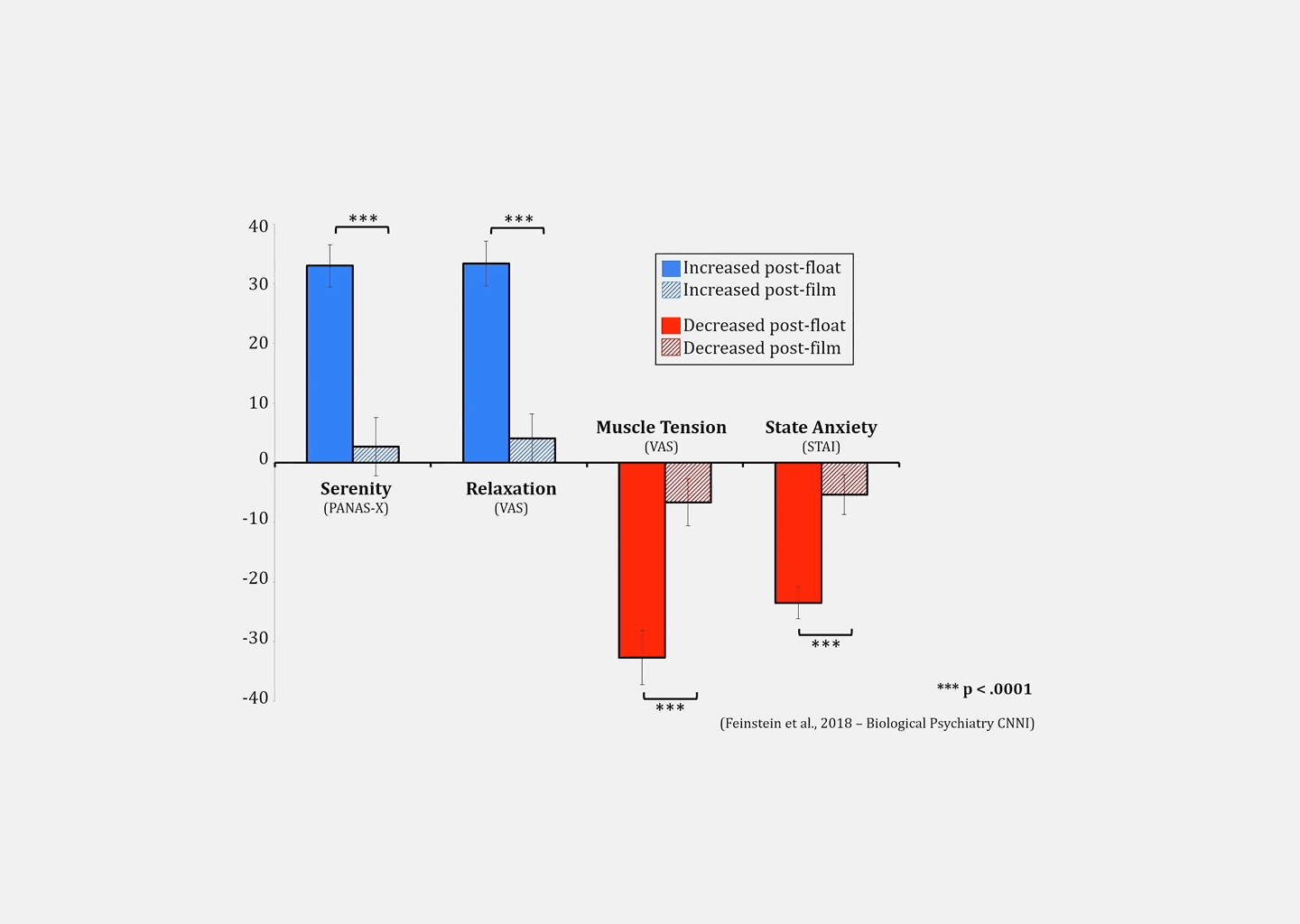
Floatation therapy has been studied for several decades, and while the experience can feel almost meditative or abstract, the science behind it is very concrete. A growing body of research — from clinical trials to neuroscience studies — has examined how reduced sensory input and magnesium-rich buoyancy affect the nervous system, stress levels, pain perception, and overall well-being.
Here is an overview of what the evidence tells us so far.
Stress Reduction & the Nervous System
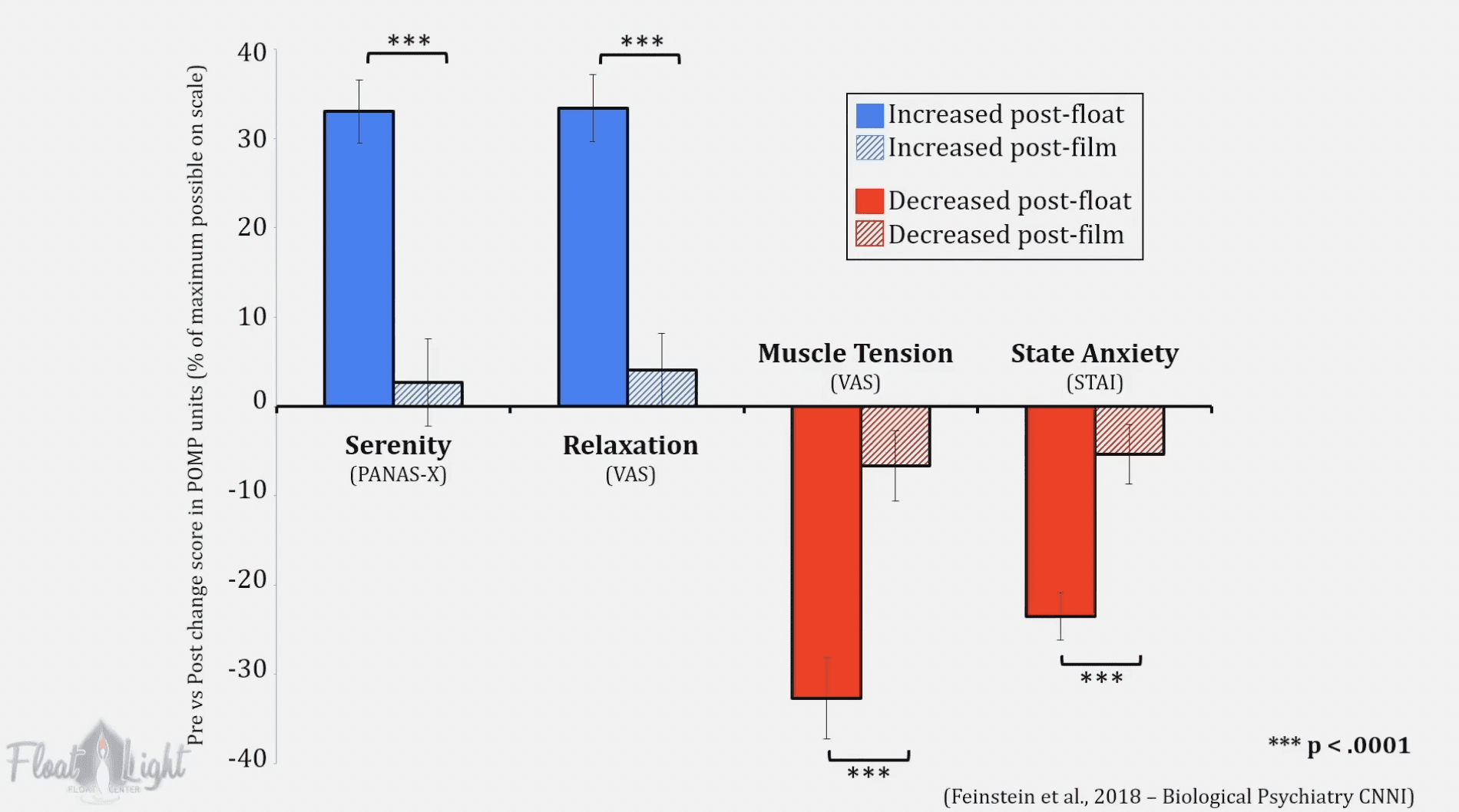
One of the most consistent findings is the impact of floating on stress and anxiety.
Several studies using the REST method (Reduced Environmental Stimulation Therapy) show:
Significant decreases in cortisol after single and repeated sessions
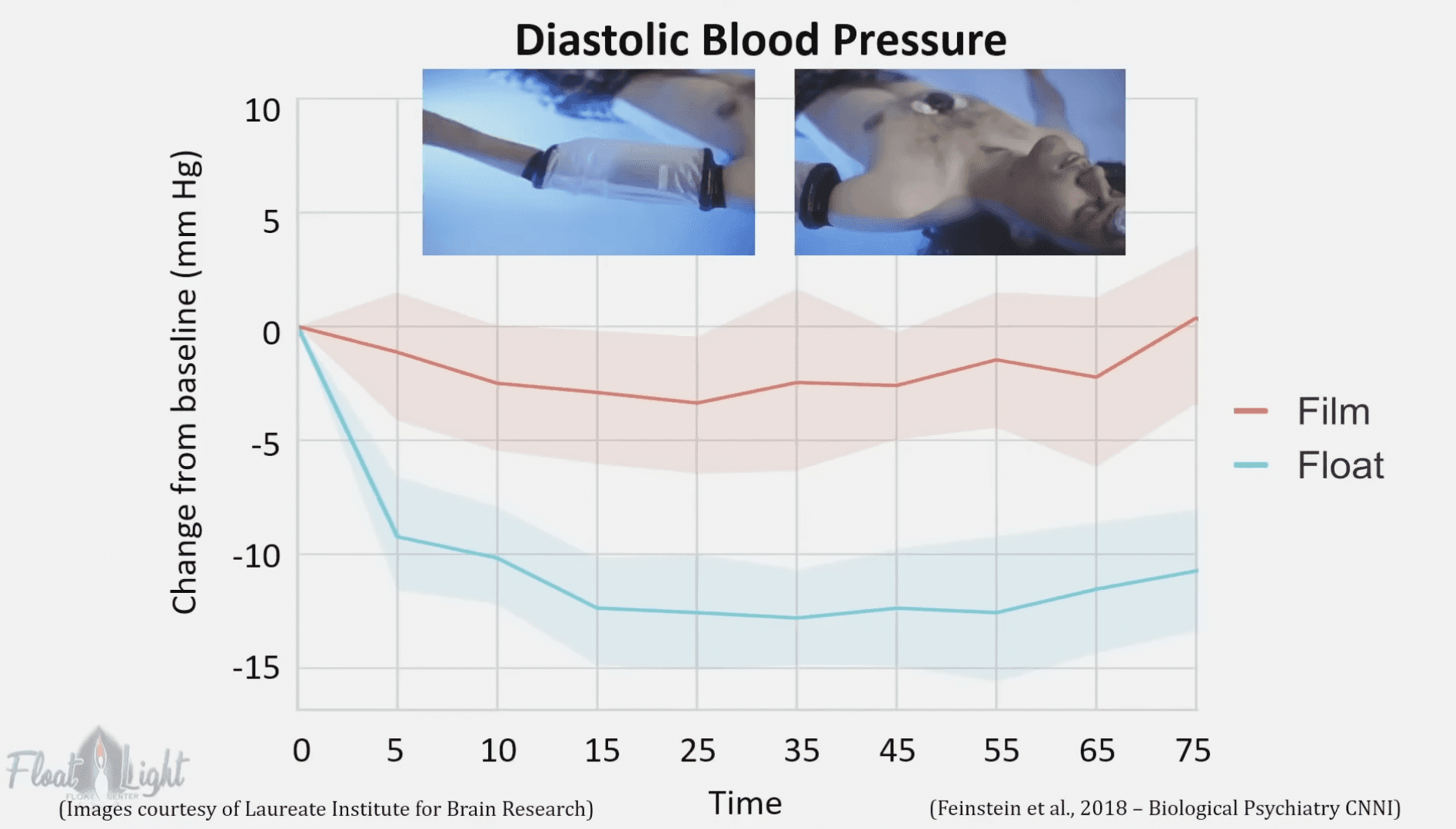
Lower blood pressure and improved cardiovascular markers during the float
Reduced sympathetic nervous system activity, meaning the “fight-or-flight” response softens
Increased parasympathetic activation, leading to deeper physical rest
Clinical researchers describe this shift as a “system reset” — not in a dramatic sense, but as a measurable physiological down-regulation that is difficult to achieve in everyday environments.
Anxiety, Mood, and Mental Well-Being
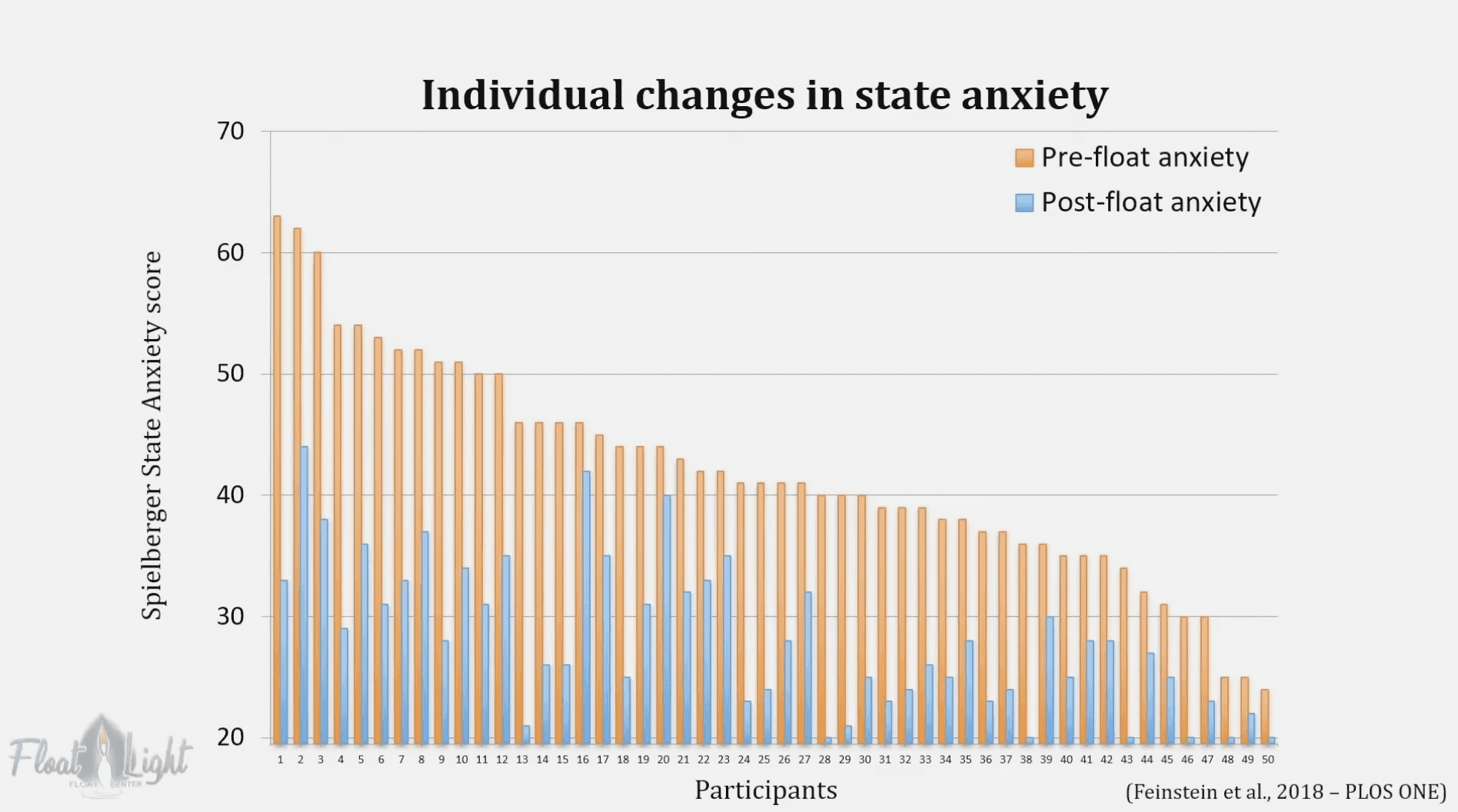
Float research in mental health has expanded considerably in the last 10 years.
Studies from the Laureate Institute for Brain Research (one of the leading centers studying floating) found that:
Individuals with generalized anxiety disorder showed acute reductions in anxiety after one session.
Participants reported improvements in mood, calmness, and emotional balance.
The effects were strongest in those with the highest baseline anxiety — meaning the people who needed calm the most experienced the largest shift.
Researchers attribute this to both sensory reduction and the unique combination of weightlessness + magnesium absorption.
Pain Relief & Musculoskeletal Benefits
Floating has been studied for chronic pain, fibromyalgia, muscular tension, and recovery:
Pain scores consistently drop during and after floating
Muscle tension reduces due to the absence of gravity-like pressure
Patients with fibromyalgia reported improved mobility and reduced soreness
Athletes show faster recovery and lower inflammation markers after sessions
Epsom salt (magnesium sulfate) may support muscle relaxation, though absorption levels vary
The buoyant environment simply removes mechanical load from the body — something nearly impossible to replicate elsewhere.
Sleep Quality
Several trials observe that people fall asleep faster and experience deeper sleep on the nights following a float session.
The likely reasons:
decreased cortisol
reduced muscle tension
calmer autonomic activity
magnesium’s known role in sleep regulation
For individuals with insomnia or irregular sleep patterns, floating is increasingly recommended as a complementary practice.
Cognition, Creativity & Mental Clarity
While this area is still developing, early studies show interesting patterns:
Improvements in focused attention
Enhanced problem-solving
Increased creative thinking and ideation
Mild improvements in short-term memory immediately after the session
This is likely due to decreased sensory interference — the brain uses less energy processing external stimuli, leaving more space for internal cognitive activity.
How Many Sessions Are Typically Needed?
Most studies distinguish between:
acute effects (after 1–2 floats)
cumulative effects (after 6–12 floats)
The nervous system adapts quickly to the environment, so benefits tend to increase as your body learns the conditions and shifts into rest more easily.
Stay up-to-date
Recent Posts

Feb 27, 2023
Choose products that are environmentally friendly, ethically produced, and have a long lifespan

Feb 12, 2023
Sustainable living significantly reduces your carbon footprint, helping combat climate change

Feb 12, 2023
This shift towards sustainability is not only beneficial for the planet but can also